Volume One

The Human Side of Research

What do we want future generations to remember?

An evolving visual journal — a quiet archive of human encounters, photographed by Mona. New stories shared throughout each chapter.

To find out when new photographs arrive, follow Care Access on LinkedIn .

A visual journal by Mona Sartoveh · Supported by Care Access

Chapter I · The First Month

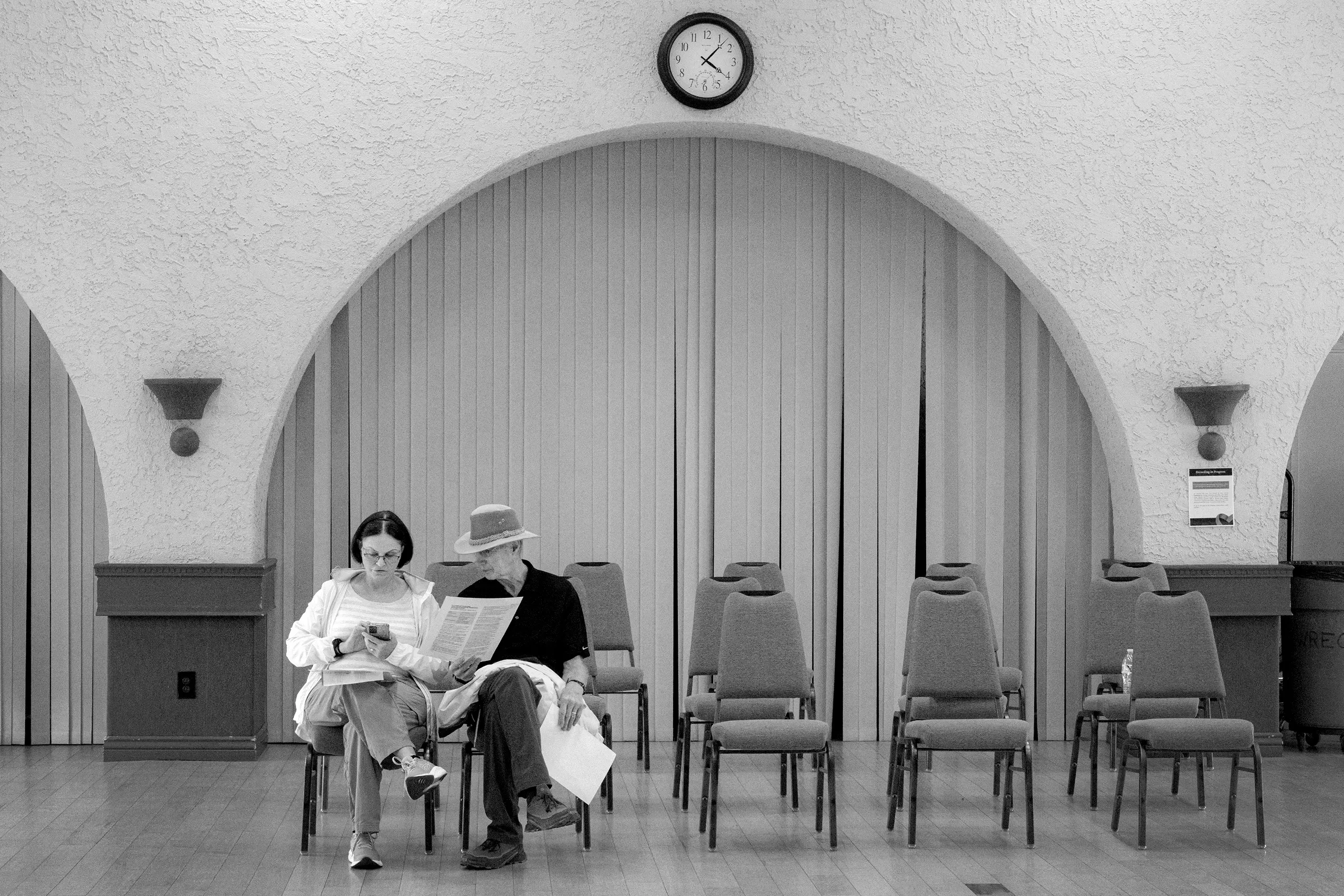
Where Hope Meets Evidence

Chapter II · The Second Month

Space Between Moments

Coming soon

Chapter III · The Third Month

Community

Coming soon

Chapter IV · The Fourth Month

Preparation

Coming soon

Mona Sartoveh, photographed
© Mona Sartoveh, Self-Portrait

Mona Sartoveh is a visual storyteller, documentary photographer, and narrative artist whose work explores the intersection of people, memory, and lived experience.

Working across documentary, editorial, and fine art photography, she approaches image-making as a way of understanding rather than simply documenting. Her practice extends into long-form visual narratives that bring together photography, writing, and editorial storytelling, shaped by an interest in rhythm, silence, and the moments that often exist outside the center of an event.

Alongside her photographic practice, Sartoveh works as a co-writer in independent cinema, an experience that continues to influence the way she builds stories through images.

Her work has been exhibited internationally across the United States, Europe, and North Africa, and has received multiple awards and honors from the International Photography Awards (IPA), Prix de la Photographie Paris (PX3), and Tokyo International Foto Awards (TIFA).

Artist Statement

I have always been drawn to the moments we almost miss.

A pause before a conversation. The feeling of being heard. The quiet between people. Someone choosing to stay, to trust, to become part of something without knowing where that choice may eventually lead.

Photography gives me a reason to stay with these moments a little longer. And through my work, I want to offer the viewer that same space—to slow down, to feel, and only then, to enter the stories.

Over time, this became the way I approached my work with Care Access.

I became interested in presence—not simply as being somewhere, but as leaving something behind by having been there. Each person arrives with a life, a history, questions, fears, and hopes. And each, through their presence, becomes part of something larger.

We often remember progress through its outcomes. I find myself looking at the people who made those outcomes possible.

The ones who showed up. Who listened. Who trusted. Who allowed themselves to be heard.

Perhaps they will never meet the people who come after them. But something of their presence remains—a path made a little clearer for someone else to walk.

That is the thought behind this visual journal:

What do we want future generations to remember?

For me, it begins with the people.