
Back to Health Resources
What Women Need to Know About High Blood Pressure
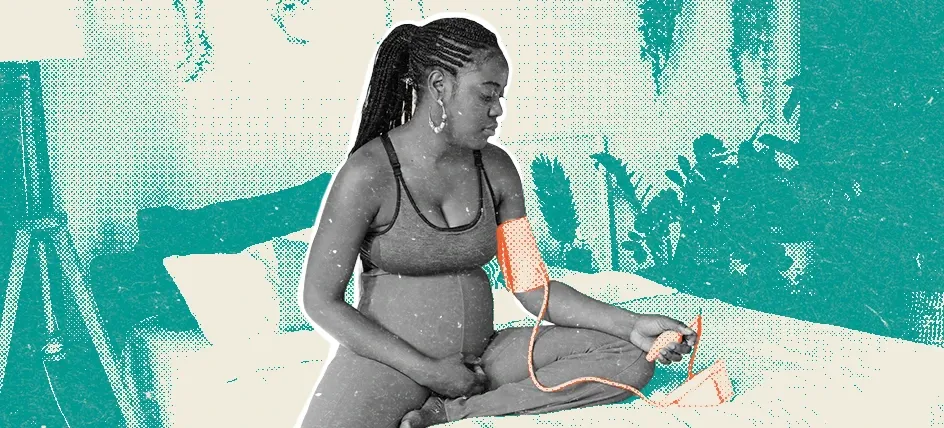
High blood pressure, also known as hypertension, occurs when the force of blood pushing against the walls of your arteries is consistently too high. Arteries carry blood and essential nutrients throughout your body, and over time, this added pressure can damage them. Left untreated, high blood pressure can harm the heart, brain, kidneys, and other organs, increasing the risk of heart attack and stroke.
Hypertension is often called the “silent killer” because it usually has no obvious symptoms, even when it is damaging the body. Many women feel fine (or don’t recognize symptoms), but hypertension can quietly harm your health over time.
Heart Health Risks
Research shows that high blood pressure increases women’s risk for several serious health problems. In a long-term study of nearly 120,000 women, those with high blood pressure had much higher rates of heart attacks and strokes compared to women with normal blood pressure. After adjusting for age and other risk factors, women with hypertension had 3.5 times the risk of coronary heart disease and 2.6 times the risk of stroke.3
Even women whose blood pressure is on the high end of normal (not yet classified as hypertension) have increased risk. In data from over 39,000 women followed for about 10 years,4 women with high-normal blood pressure were more likely to have major cardiovascular events than women with blood pressure in the mid or low-normal range.
Here’s why hypertension is especially concerning for women:

No Early Warning Signs
Most women with hypertension don’t notice headaches, dizziness, or other symptoms until serious complications occur.

Long-Term Organ Damage
Left untreated, hypertension can gradually cause heart disease, stroke, kidney disease, or vision problems.

Pregnancy Risks
Gestational hypertension or preeclampsia may develop during pregnancy without noticeable symptoms and are linked to a higher lifelong risk of high blood pressure and cardiovascular disease.

Post-Menopause Risk
After menopause, women experience higher blood pressure often due to hormonal changes, putting them at higher risk for heart attacks and strokes.
Because women may miss early signs of hypertension, it can go unnoticed for years. Regular blood pressure checks are the only way to detect it early and prevent serious complications.
Who Is at Higher Risk?
Certain groups of women are at particularly high risk. Research indicates that Black women who develop hypertension at a young age (before age 35) may have three times the risk of stroke compared to Black women who develop hypertension later or not at all. Other risk factors include older age, obesity, diabetes, family history, and lifestyle factors such as unhealthy diet, lack of physical activity, and tobacco use.
Pregnancy and Future Heart Risk
High blood pressure during pregnancy, such as gestational hypertension or preeclampsia, is a serious condition unique to women. New research shows that certain blood pressure patterns during pregnancy can help doctors identify women at risk for developing chronic hypertension later in life.5 This means pregnancy might be an early look into a woman’s future heart health.
What To Do If You Have High Blood Pressure
While the symptoms of high blood pressure are often the same in women and men, women historically underreport symptoms or go undiagnosed until a serious health issue arises. They may assume the symptoms are due to something else (fatigue, pregnancy, age, etc.) or they simply do not experience the standard “chest pain” that many men describe. That’s why regular blood pressure checks and early treatment are essential. Healthy lifestyle changes can help prevent or lower high blood pressure.

Maintain a healthy weight
Excess weight increases strain on the heart and blood vessels.

Eat a balanced, low-sodium diet
Focus on fruits, vegetables, whole grains, and lean proteins. Limit salt and processed foods.

Stay physically active
Aim for at least 150 minutes of moderate exercise per week.

Limit alcohol and avoid smoking
Both can raise blood pressure and damage blood vessels.

Monitor blood pressure regularly
Early detection through routine checks allows for lifestyle changes or treatment before problems develop.
The Future of Women’s Heart Health
Current treatments for women’s heart health issues focus on lowering overall risk and treating related conditions. Common medications include statins to lower cholesterol, medication to control blood pressure, and medicine for diabetes that also protect the heart. In recent years, GLP-1 medications, such as tirzepatide, are being studied for their potential impact. These help with blood sugar control and weight loss and may lower the risk of heart attacks and strokes. Ongoing studies are testing how GLP-1s and newer combination medicines can better protect the heart, especially in women, and improve long-term heart health outcomes.
High blood pressure is a common, serious, and often silent condition in women. But the good news is, it’s largely preventable. Understanding risks, staying informed, and working with healthcare providers to prevent, monitor, and manage blood pressure can significantly improve your heart health over a lifetime.
CONTRIBUTING EXPERT

Chandar Abboy, MD
Dr. Abboy is a physician board-certified in internal medicine, pulmonary disease, critical care medicine, and sleep medicine. He is a Principal Investigator at Care Access, overseeing multiple clinical trials.
SOURCES
- https://www.cdc.gov/bloodpressure/index.htm
- https://www.nhlbi.nih.gov/health/high-blood-pressure
- https://pubmed.ncbi.nlm.nih.gov/31840856/
- https://pubmed.ncbi.nlm.nih.gov/32763136/
- https://pubmed.ncbi.nlm.nih.gov/35377703/
- https://www.heart.org/en/health-topics/high-blood-pressure
- https://pubmed.ncbi.nlm.nih.gov/30865736/
- https://pubmed.ncbi.nlm.nih.gov/34413016/
DISCLAIMER
The information provided on Care Access is intended for informational purposes only and should not be considered as a substitute for professional medical advice, diagnosis, or treatment. Always seek the advice of your physician or other qualified healthcare provider with any questions you may have regarding a medical condition. Our products and content are not intended to diagnose, treat, cure, or prevent any disease.
Explore More Health Resources

STORIES from the Heart