
Back to Health Resources
Could Your Symptoms Be PMOS? Understanding the Condition Formerly Called PCOS
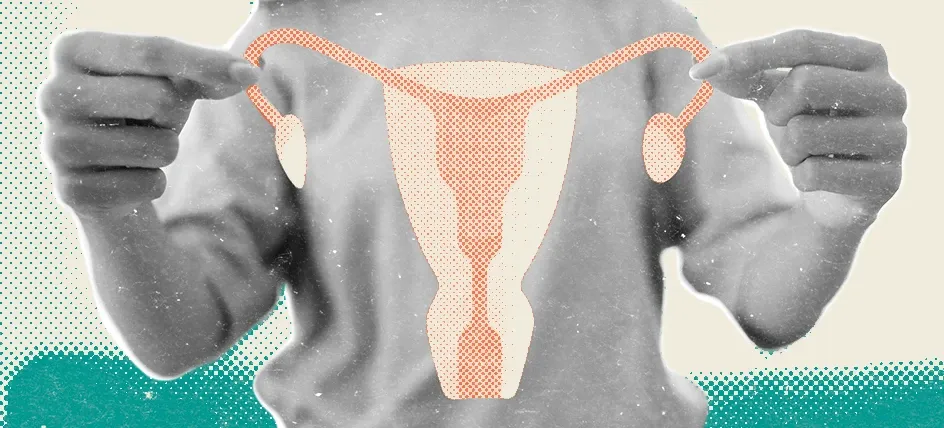
Have you ever been told that your unexplained weight changes, irregular periods or low energy are “just hormones”, “part of normal aging” or “caused by stress”? These symptoms may be signs of a common health condition that often goes undiagnosed for years: Polyendocrine Metabolic Ovarian Syndrome, or PMOS.
You may know this condition by its former name, Polycystic Ovary Syndrome, or PCOS. To better reflect that the condition can affect many parts of the body, not just the ovaries or fertility, it was renamed PMOS.
What Is PMOS?
PMOS is one of the most common hormone-related conditions affecting women during their reproductive years, but many people do not know they have it. It affects about 1 in 8 women of reproductive age worldwide. PMOS can look different from person to person, which is one reason it can be missed or misunderstood.
Common symptoms may include:
Some women have many symptoms, while others may only notice one or two. That is why awareness matters. If you have been dealing with symptoms that feel unexplained, disconnected, or dismissed, PMOS may be worth discussing with a healthcare provider.
Why Does Getting a Diagnosis Matter?
Speaking with your doctor and getting a diagnosis can help you get treatment sooner. If left undiagnosed and untreated, PMOS can lead to problems including infertility, pregnancy complications, metabolic diseases such as high blood pressure or high cholesterol which can cause heart disease, depression, stopping breathing while sleeping (sleep apnea), or cancer of the uterus and ovaries.
Getting checked does not mean you will need every test. Your provider may start by asking about your periods, symptoms, health history, and family history. They may also order bloodwork or recommend an ultrasound, depending on your symptoms
Talk with your doctor about whether PMOS could be part of your health story.
Speak with your doctor, OB-GYN, or another healthcare provider if you have experienced any of the PMOS symptoms listed above.
Even if your symptoms feel manageable, they are still worth mentioning. Getting answers early can make a meaningful difference for your long-term health and quality of life.
Download and use this simple Symptom Tracker and Doctor Discussion Guide to start tracking your symptoms today and start a conversation with your doctor about PMOS at your next visit.

Let’s Raise Awareness Together!
Learning about the symptoms, how PMOS is diagnosed, and what care options may be available can be an important first step toward getting answers. If something feels off, trust yourself. Talk with your doctor, ask questions, and reach out for more information. The sooner you have the right information, the sooner you can take steps toward the care and support you deserve.
Also, if there is a woman in your life who could benefit from this information, consider sharing it with her — it may help her feel seen, supported, and empowered to seek care.
CONTRIBUTING EXPERTS

Chandar Abboy, MD
Dr. Abboy is a physician board-certified in internal medicine, pulmonary disease, critical care medicine, and sleep medicine. He is a Principal Investigator at Care Access, overseeing multiple clinical trials.
SOURCES
- https://www.contemporaryobgyn.net/view/global-consensus-renames-pcos-to-polyendocrine-metabolic-ovarian-syndrome-pmos-
- https://www.thelancet.com/journals/lancet/article/PIIS0140-6736%2826%2900717-8/fulltext
- https://womenshealth.gov/a-z-topics/polycystic-ovary-syndrome
- https://www.mayoclinic.org/diseases-conditions/pcos/symptoms-causes/syc-20353439
- https://my.clevelandclinic.org/health/diseases/8316-polycystic-ovary-syndrome
- https://www.nichd.nih.gov/health/topics/pcos
- https://www.cdc.gov/diabetes/risk-factors/pcos-polycystic-ovary-syndrome.html?CDC_AAref_Val=https://www.cdc.gov/diabetes/basics/pcos.html
DISCLAIMER
The information provided on Care Access is intended for informational purposes only and should not be considered as a substitute for professional medical advice, diagnosis, or treatment. Always seek the advice of your physician or other qualified healthcare provider with any questions you may have regarding a medical condition. Our products and content are not intended to diagnose, treat, cure, or prevent any disease.
Explore More Health Resources



STORIES from the Heart