
Back to Health Resources
Hit a Weight-Loss Plateau? Here’s Why It Happens and What You Can Do
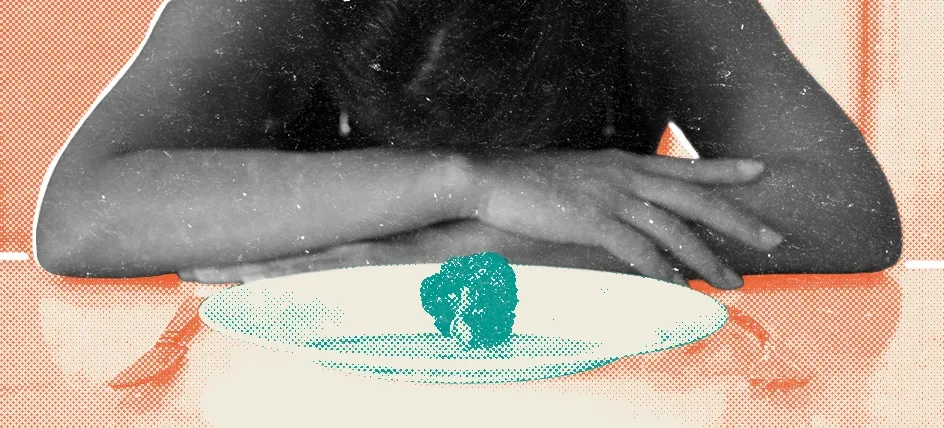
You’ve been making healthier choices. Maybe you’re exercising more, eating differently, or taking a GLP-1 medication. At first, the progress feels exciting. Then, without warning, everything seems to slow down.
If this has happened to you, it doesn’t mean you’ve failed.
Researchers expect weight-loss plateaus to happen because your body naturally adapts as your weight changes.1
Sometimes the Biggest Change Isn’t on the Scale
Many people taking GLP-1 medications say the first thing they notice isn’t dramatic weight loss.

Instead, eating simply feels different. They think about food less often, cravings become easier to manage, smaller meals feel more satisfying and food isn’t constantly demanding their attention.
Many people describe this as a reduction in food noise. While researchers are still learning exactly why this happens, studies suggest GLP-1 medications influence both appetite hormones and the brain’s reward system, helping reduce the urge to think about food throughout the day.7
For many people, this change makes healthy choices feel less like a daily battle.
Why Does Weight Loss Slow Down?
As you lose weight, your body needs fewer calories to carry out everyday activities.2
At the same time, your body responds by:
- Burning fewer calories at rest
- Increasing hunger
- Reducing feelings of fullness
- Increasing cravings for calorie-dense foods1,2
This process, called metabolic adaptation, is one reason weight loss often slows after several months.
A plateau isn’t your body telling you to quit, it’s simply your biology adjusting.

Do Plateaus Happen on GLP-1 Medications?
Yes.
GLP-1 medications can support meaningful weight loss, but they don’t eliminate your body’s ability to adapt over time.3 Many people experience their greatest weight loss during the first several months before reaching a more stable weight.
That doesn’t necessarily mean the medication has stopped working.
For many people, it’s helping maintain the progress they’ve already made while their body settles into a new balance. Researchers continue studying why some people continue losing weight longer than others and what treatment strategies may help after a plateau.

Looking Beyond the Scale
Not every plateau is caused by metabolism alone.
Other factors include:
- Physical activity
- Protein intake
- Sleep
- Stress
- Certain medications
- Side effects that make healthy habits harder to maintain4
It’s also important to remember that progress isn’t measured only by pounds.
Many people see improvements in blood pressure, blood sugar, cholesterol, energy levels, and physical fitness even when their weight stays the same.6
What Researchers Are Trying to Learn Next
Scientists aren’t just asking how people lose weight. They’re asking how people can maintain it.
Current research is exploring:
- Why some people plateau sooner
- How to preserve muscle during weight loss
- Which medications work best for different people
- Whether combination therapies improve long-term success
- How personalized treatment plans can improve outcomes5
Every answer comes from clinical research and the people who volunteer to participate.
Today’s studies are helping shape tomorrow’s treatments.

If you’d like to learn more about the research happening now, explore the Future of Medicine program. You can discover current studies, learn how new treatments are tested, and find out whether participating in research is something you’d like to consider.
CONTRIBUTING EXPERTS

Chandar Abboy, MD
Dr. Abboy is a physician board-certified in internal medicine, pulmonary disease, critical care medicine, and sleep medicine. He is a Principal Investigator at Care Access, overseeing multiple clinical trials.
SOURCES
- https://www.niddk.nih.gov/health-information/weight-management
- https://www.ncbi.nlm.nih.gov/pmc/articles/PMC5764193/
- https://diabetesjournals.org/care/article/49/Supplement_1/S6/163930/Summary-of-Revisions-Standards-of-Care-in-Diabetes
- https://obesitymedicine.org/blog/5-common-weight-loss-medications-their-side-effects-obesity-medicine-association/
- https://www.niddk.nih.gov/health-information/weight-management/prescription-medications-treat-overweight-obesity
- https://www.heart.org/en/healthy-living/healthy-eating/losing-weight
- https://www.nature.com/articles/s41574-024-01022-2
DISCLAIMER
The information provided on Care Access is intended for informational purposes only and should not be considered as a substitute for professional medical advice, diagnosis, or treatment. Always seek the advice of your physician or other qualified healthcare provider with any questions you may have regarding a medical condition. Our products and content are not intended to diagnose, treat, cure, or prevent any disease.
Explore More Health Resources


STORIES from the Heart