
Back to Health Resources
Men’s Heart Health – The Impact of Chronic Stress and What Can Be Done
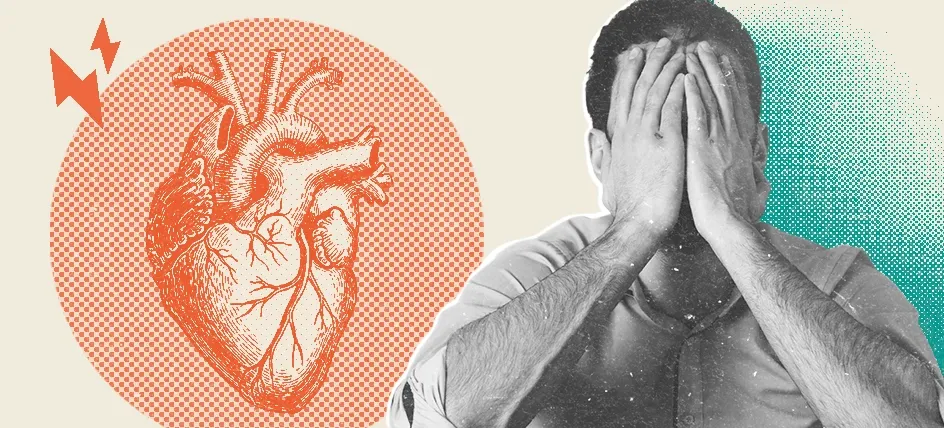
Chronic stress doesn’t just affect your mood—it changes how your heart works. Over time, elevated stress hormones can raise blood pressure, increase inflammation, disrupt heart rhythm, and contribute to cardiovascular disease. A small amount of stress can sometimes help people stay focused or motivated. But when stress lasts for a long time, it can affect the body in harmful ways. This is especially true for your heart.
Heart disease is one of the leading health concerns for men. Diet, exercise, and genetics all play major roles, but long-term stress can also increase the risk of heart problems. Understanding this connection can help men take practical steps now to protect their health for the future.
How Stress Affects the Body
When you feel stressed, your body enters what is called the “fight-or-flight” response. This response prepares you to react quickly by releasing stress hormones that cause several changes in the body, including:

Faster Heart Rate

Higher Blood Pressure

Faster Breathing

Tightened Blood Vessels
These changes can be helpful in sudden and rapid situations, such as responding to danger. But when stress happens every day or lasts for a long time, it can put extra strain on the heart and blood vessels. Over time, that strain may increase the risk of heart disease, heart attacks, and strokes.
Stress does not necessarily affect men more than women overall, but it can impact men’s health differently. Men are often less likely to seek support for stress, discuss mental health concerns, or seek preventive care. As a result, chronic stress may go unmanaged for longer periods, increasing the risk of both mental and physical health problems.
Signs Stress May Be Affecting Your Heart
Stress does not always have the same effects for everyone. Its symptoms may be emotional, physical, or both.
Signs that stress may be affecting your body include:
- Frequent headaches
- Trouble sleeping
- Feeling tired most of the time
- Feeling irritable or angry
- Muscle tension
- Chest discomfort or tightness
These symptoms don’t always mean there’s a serious problem, but they may be a sign that your body is under too much stress and you should speak with a doctor about it. If you ever feel severe chest pain, shortness of breath, or chest pressure, seek medical help right away.
Stress and Heart Attacks
Unfortunately, for people who already have heart disease, sudden stress may increase the risk of a heart attack as strong emotions and intense stress can sometimes trigger heart problems.
Stress can affect the heart by:
- Raising blood pressure quickly
- Causing blood vessels to narrow
- Increasing inflammation in the body
- Affecting the heart’s rhythm
While stress alone may not always cause heart disease, it can make existing heart problems worse.
Stress, Your Heart, and Research
Researchers are still exploring how stress affects heart health and why it may increase the risk of heart disease. Several studies have found that high levels of stress hormones, such as cortisol, epinephrine, and norepinephrine, are linked to a higher chance of developing cardiovascular disease.
In one large analysis of more than 43,000 people, individuals with higher levels of these stress hormones had about a 63% higher risk of cardiovascular disease than those who had lower levels.
Other research shows that long-term stress, measured by cortisol levels in hair samples, is associated with risk factors such as high cholesterol, inflammation, and prior heart attacks. Together, these studies suggest that stress isn’t just an emotional experience. It produces measurable changes in the body that researchers can detect long before heart disease develops.
Healthy Ways to Lower Stress
Managing stress doesn’t mean getting rid of it completely. It means finding healthy ways to help your mind and body recover.
Move your body every day.
Physical activity helps lower stress hormones and releases chemicals called endorphins that can improve your mood. Even a 20- to 30-minute walk, stretching, gardening, or dancing can make a difference.
Make sleep a priority.
Stress and poor sleep often go hand in hand. Try to get seven to nine hours of sleep each night by keeping a regular bedtime, limiting screen time before bed, and creating a quiet, comfortable sleep environment.
Eat foods that fuel your body.
A balanced diet with fruits, vegetables, whole grains, lean proteins, healthy fats, and plenty of water can help support both your physical and mental health. Limiting too much caffeine, alcohol, and highly processed foods may also help reduce feelings of stress or anxiety.
Take short breaks throughout the day.
If you’re feeling overwhelmed, step away for a few minutes. Go outside, stretch, listen to music, or simply take a few deep breaths. Even a brief pause can help you refocus.
Practice relaxation techniques.
Deep breathing, meditation, mindfulness, yoga, or progressive muscle relaxation can help slow your heart rate and calm your nervous system. Just a few minutes each day can have lasting benefits.
Stay connected with others.
Spending time with friends, family, or supportive coworkers can help you feel less alone during stressful times. Talking openly about what you’re experiencing can provide relief and help you find solutions.
Focus on what you can control.
Making a simple to-do list, setting realistic goals, and tackling one task at a time can make stressful situations feel more manageable.
Know when to ask for help.
If stress lasts for weeks, begins affecting your work, relationships, sleep, or physical health, talk with your healthcare provider or a mental health professional. Support and treatment can help you feel better and improve your overall health.

Taking Care of Your Heart
You can’t eliminate stress, but you can reduce how much it affects your heart. Small, consistent habits like better sleep, regular exercise, meaningful social connection, and stress management can lower cardiovascular risk and improve overall health over time.
CONTRIBUTING EXPERT

Chandar Abboy, MD
Dr. Abboy is a physician board-certified in internal medicine, pulmonary disease, critical care medicine, and sleep medicine. He is a Principal Investigator at Care Access, overseeing multiple clinical trials.
SOURCES
- https://www.heart.org/en/healthy-living/healthy-lifestyle/stress-management/stress-and-heart-health
- https://www.cdc.gov/heartdisease/risk_factors.htm
- https://www.nhlbi.nih.gov/health/heart-disease/stress-and-heart-health
- https://www.mayoclinic.org/diseases-conditions/heart-disease/in-depth/stress-and-heart-disease/art-20046037
- https://pubmed.ncbi.nlm.nih.gov/39319239/
- https://newsroom.heart.org/news/elevated-stress-hormones-linked-to-higher-risk-of-high-blood-pressure-and-heart-events
- https://bmccardiovascdisord.biomedcentral.com/articles/10.1186/s12872-024-04221-2
DISCLAIMER
The information provided on Care Access is intended for informational purposes only and should not be considered as a substitute for professional medical advice, diagnosis, or treatment. Always seek the advice of your physician or other qualified healthcare provider with any questions you may have regarding a medical condition. Our products and content are not intended to diagnose, treat, cure, or prevent any disease.
Explore More Health Resources



STORIES from the Heart